🧠 RHU – eCAN project
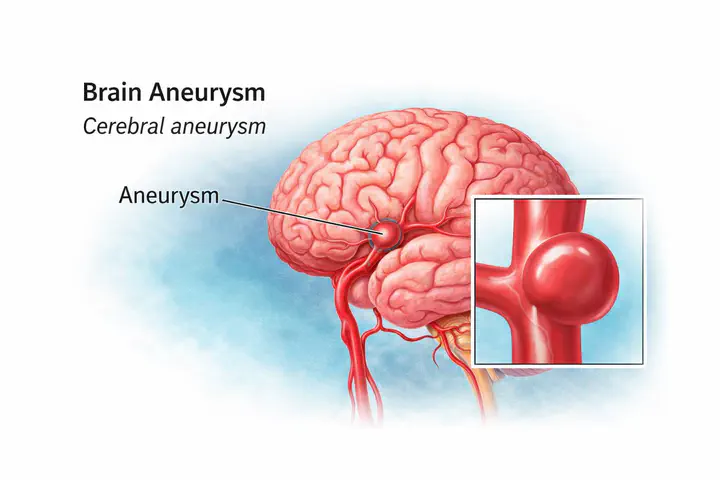 Synthetic vascular model for aneurysm detection and bifurcation analysis
🧠 RHU – eCAN Project (2024–2029)
Improving the trajectory of intracranial aneurysm patients using digital and multimodal tools
The eCAN project, funded under the ANR RHU – France 2030 program, aims to transform the care pathway of patients with intracranial aneurysms through innovative digital and multimodal solutions.
Led by Pr Romain Bourcier (CHU Nantes), the project was selected during the 6th RHU call (2023).
🩺 Clinical Background

Source: Cleveland Clinic
An intracranial aneurysm (ICA) is a localized dilation of a cerebral artery.
Although rupture occurs in approximately 1% of cases per year, its consequences are dramatic:
- ~3,000 deaths per year in France
- 1/3 immediate mortality
- 1/3 severe long-term neurological deficits
- 1/3 major psychological consequences
Despite increasing preventive treatments, the overall rupture incidence has not significantly decreased over the past decade.
Major challenges remain:
Undetected aneurysms
Lack of structured referral pathways
High patient anxiety after diagnosis
Complex medico-economic balance between preventive treatment and monitoring
🎯 Project Objectives
The eCAN project aims to:
- Develop and validate integrated digital tools
- Improve detection of intracranial aneurysms
- Optimize medical decision-making
- Reduce medico-economic burden
- Assess ethical, environmental and international health system impact
🧠 Digital & Multimodal Innovations
1️⃣ AI-assisted detection software
MRI-based tool to assist radiologists in identifying intracranial aneurysms.
2️⃣ Patient mobile application
- Psychological support at diagnosis
- Personalized information on disease and care pathway
- Risk factor monitoring (smoking, sleep, etc.)
- Longitudinal follow-up support
3️⃣ Multimodal prognostic algorithm
Clinical decision-support tool integrating:
- Imaging data
- Clinical variables
- Genetic data
4️⃣ Comparative trajectory analysis tool
Evaluation of optimized care pathways versus current standard practice.
🔬 Technical Contribution
The project relies on a synthetic vascular model designed to:
- Detect vascular bifurcations
- Identify intracranial aneurysms
- Validate diagnostic and AI-based tools
- Provide reproducible benchmarking conditions
🌍 Consortium & Funding
- Total budget: €16.8M
- Government funding: €5.5M (France 2030)
- Duration: 5 years
The consortium gathers 9 partners combining expertise in:
- Artificial Intelligence
- Data science
- Imaging
- Genetics
- Health economics
- Ethics
Academic partners:
- CHU de Nantes (Coordinator)
- INSERM
- INRIA
- Université de Bordeaux
Industrial partners:
- GE Healthcare
- Milvue
- Sim&Cure
- Medtronic
Associative partner:
- Fédération des Spécialités Médicales (FSM)
 ;
;🚀 Strategic Impact
eCAN aims to redefine the trajectory of intracranial aneurysm patients, from early detection to optimized therapeutic decision-making, while ensuring sustainable and scalable implementation across healthcare systems worldwide.

Fakhrielddine Bader
Post-doctoral fellow in Deep Learning (Medical Imaging)
Post-doctoral fellow in Deep Learning (Medical Imaging)